
Why Effective Shade Matters: Adelaide's UV Reality
Adelaide consistently records some of the highest UV index readings in Australia, with summer levels regularly reaching extreme ratings well before peak heat hits in the early afternoon. UV exposure isn’t tied to temperature alone — a mild 28°C day can carry the same UV risk as a 40°C scorcher, which catches a lot of property owners off guard when they assume shade only matters on the hottest days.
This matters beyond comfort. Unshaded outdoor areas mean direct sun exposure for kids playing in the backyard, guests sitting through a long lunch, or staff and customers moving through a commercial car park or play area. Over a full Adelaide summer, that adds up to a meaningful health consideration, not just an inconvenience.
Effective shade also protects the outdoor space itself. Furniture fades, decking and paving heat up to the point of being unusable barefoot, and pool areas without coverage become uncomfortable during exactly the hours families want to use them most. A well-designed shade structure extends how many months of the year an outdoor area actually gets used, rather than sitting empty through the harshest stretch of summer.
This is the reasoning behind treating shade as infrastructure rather than decoration. The right structure, positioned and built correctly, turns an exposed outdoor space into one that’s usable, comfortable, and protected across the full range of Adelaide’s conditions — not just the cooler months either side of summer.

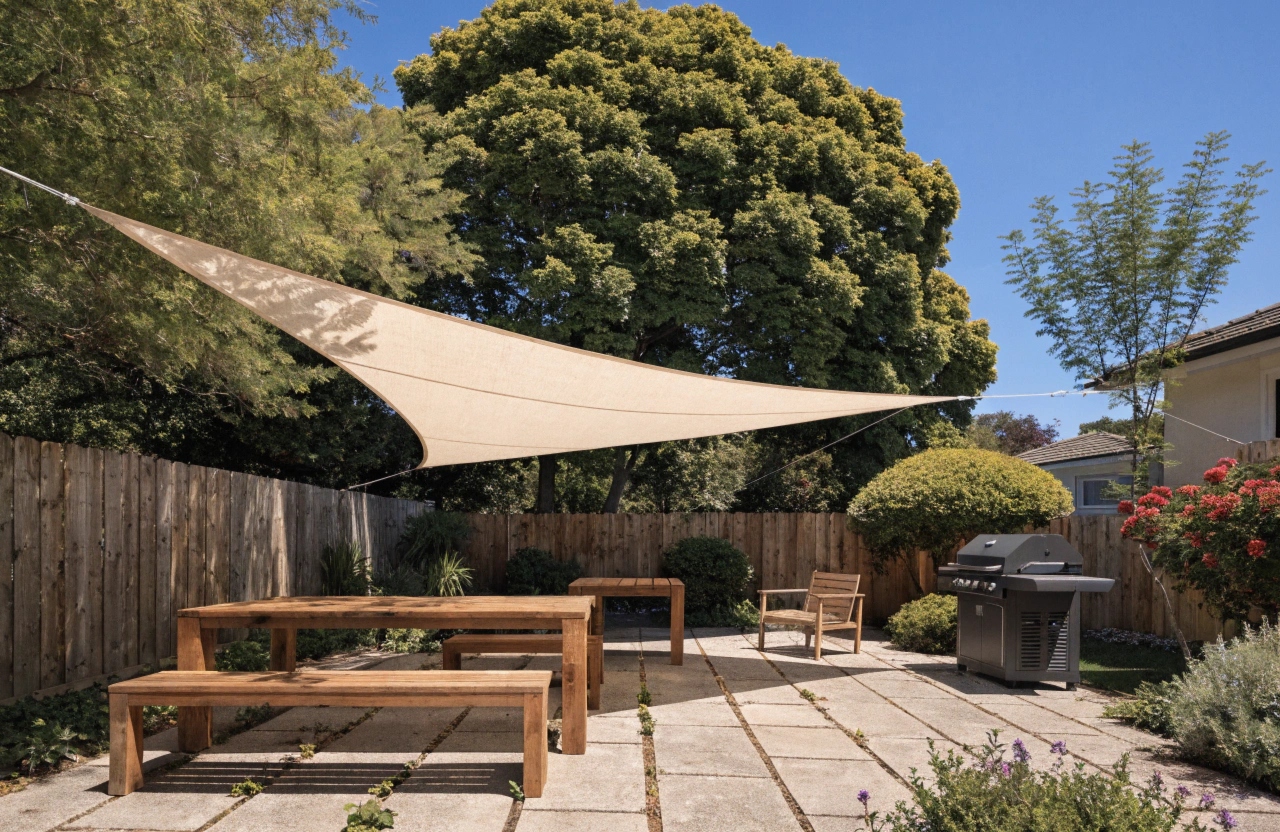
Sail Shades: Adelaide's Most Popular Residential Shade Solution
Sail shades remain the most recognisable and widely used shade structure for Adelaide homes, and for good reason. They suit a wide range of property shapes, install quickly compared to fixed structures, and offer a modern, architectural look that works across courtyards, decks, pool areas, and play spaces.
Shade sails come in several configurations to suit different sites:
• Triangular sails — work well for smaller or irregular spaces, and can be layered for added coverage
• Square and rectangular sails — suit larger entertaining areas and provide more even, consistent shade across the space
• Multi-point and layered configurations — used where a single sail can’t achieve full coverage, or where the site has multiple anchor options at varying heights
Performance comes down to two things: tensioning and anchor point placement. A sail that isn’t tensioned correctly will sag, pool water in wet weather, and place uneven strain on its fixing points — shortening its lifespan considerably. Anchor points need to account for wind loads specific to the site, the angle of pull, and the structural capacity of whatever the sail is fixed to, whether that’s a post, the house itself, or a freestanding frame.
Material matters just as much. Adelaide’s UV intensity means fabric grade and UV rating directly determine how well a sail holds up over time — lower-grade fabrics degrade, fade, and lose tension strength far faster under sustained summer exposure. We specify shade cloth rated for Australian conditions, with UV blocking levels suited to the specific application and exposure level of the site.
Pergola-Based Shade Structures: Cost-Effective Coverage for Entertaining Areas
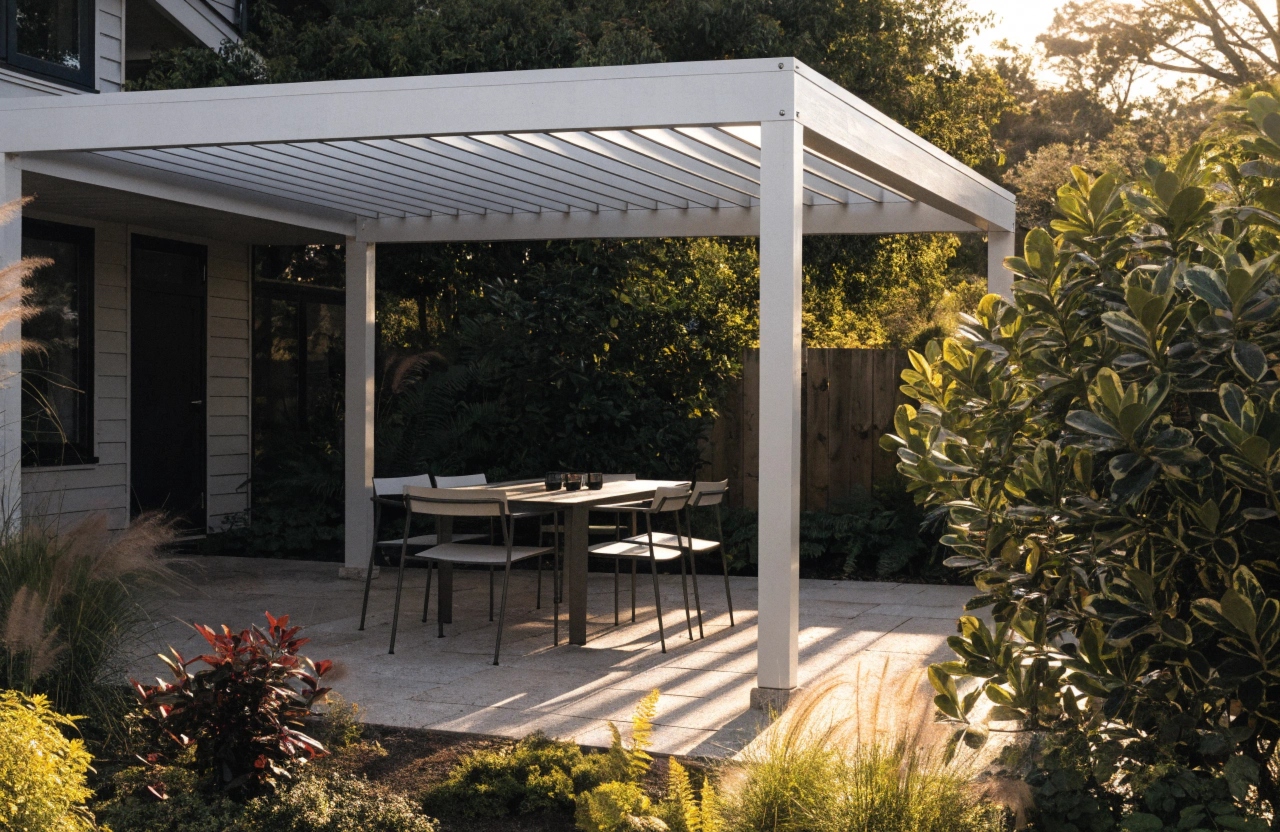
Open rafter pergolas with shade cloth offer one of the most cost-effective and visually appealing shade solutions for Adelaide properties. Where a sail shade suits a defined, often standalone area, a pergola-based structure works as a more integrated extension of the home — built to suit entertaining areas, garden spaces, and pool surrounds where a structured, permanent-feeling result is wanted.
The open rafter design gives a property a finished, architectural look while the shade cloth insert handles the actual sun protection. This combination suits Adelaide particularly well, because it allows airflow through the structure during the hottest months while still cutting direct UV exposure across the space underneath. Entertaining areas benefit from this balance especially — guests get genuine shade without the space feeling closed in or stuffy on a 40-degree afternoon.
For pool surrounds, a pergola with shade cloth reduces glare off the water and cuts UV exposure for anyone spending extended time poolside, which matters given how much time Adelaide families spend around the pool through summer.
Shade cloth inserts can be selected for UV block percentage, colour, and density depending on how much light filtration versus full shade is wanted in a given space. Some property owners want dappled light through the structure; others want maximum coverage. We work through these choices on-site, against the specific orientation and use of the area, rather than defaulting to a one-size-fits-all install.
This option suits residential properties looking for a structure that complements the home’s existing architecture while solving the shade problem properly.
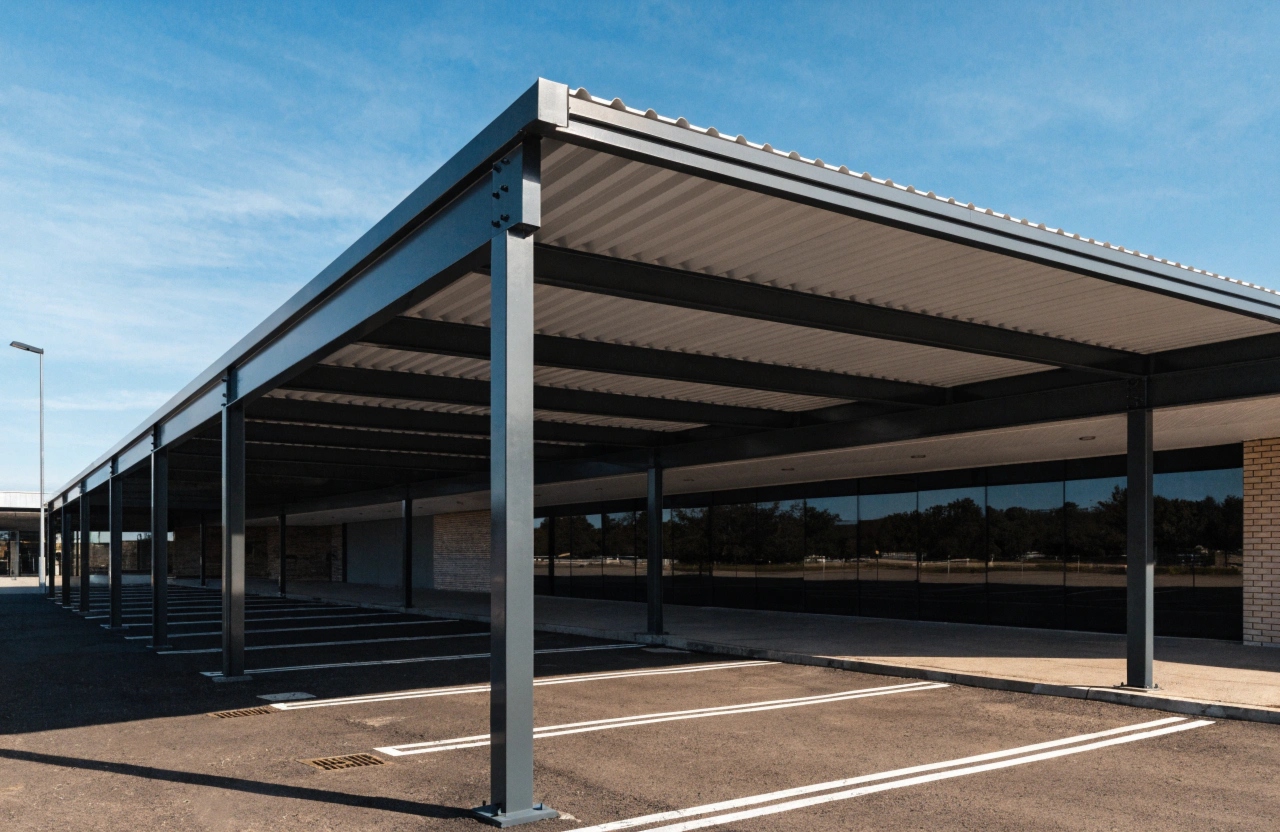
Fixed Canopies & Framed Shade Structures: Built for Permanent, Heavy-Use Applications
Where a site needs a more robust and permanent shade solution, fixed canopies and steel or aluminium framed structures are the right fit. These structures suit applications where shade cloth or sail fabric isn’t appropriate — either because of the scale involved, the level of foot traffic underneath, or the need for a structure that holds its performance with minimal maintenance over many years.
Commercial and high-use applications are where framed shade structures do their best work:
• Commercial car parks — protecting vehicles from UV damage and heat while giving a property a more finished, professional appearance
• Childcare centres — meeting the shade coverage expectations of parents and regulatory bodies, with structures built to handle constant daily use
• School play areas — covering large spans reliably, built to withstand high foot traffic and the wear that comes with daily school use
• Large residential properties — where the scale of the outdoor area calls for a structure beyond what a sail or pergola can practically cover
Steel-framed structures suit sites needing maximum structural strength and longer spans, while aluminium framing offers a lighter-weight, corrosion-resistant alternative well suited to coastal Adelaide suburbs where salt air is a factor. Both options support a range of roofing materials, from solid Colorbond sheeting for full weather protection through to polycarbonate for structures that still admit filtered natural light.
These structures are engineered to handle Adelaide’s wind loads and structural requirements, making them suited to sites where a temporary or lightweight fix simply won’t hold up to consistent, heavy use.
Materials, Warranties, and Our Installation Process
Material choice and installation quality determine how a shade structure performs over its full lifespan, particularly across Adelaide’s combination of intense UV, summer heat, and occasional heavy rain events.
Materials are selected based on the structure type and application:
• Shade sail fabric — UV-rated, water-resistant grades suited to Adelaide’s exposure levels
• Shade cloth inserts — selected for UV block percentage and density to match the intended use of the space
• Steel and aluminium framing — chosen based on span requirements, load demands, and coastal versus inland exposure
• Roofing materials — Colorbond sheeting or polycarbonate, depending on whether full weather protection or filtered light is wanted
Every structure is built to handle local wind loads and weather conditions, with fixings and footings specified to suit the site’s soil type and structural requirements.
Warranties cover materials and workmanship, giving property owners confidence that a structure installed today still performs years down the track without unexpected sagging, fading, or structural movement.
Our installation process runs through clear stages: an on-site assessment of sun path, exposure, and intended use; a recommendation on structure type and materials suited to the site; confirmation of any council requirements where applicable; and a professional installation carried out to the agreed design and timeline. This applies consistently across residential and light commercial sites throughout Adelaide, from standalone backyard sail installs through to larger framed structures for commercial and institutional applications.
Frequently Asked Questions
How long do shade sails last in Adelaide's climate?
A correctly tensioned, UV-rated shade sail typically performs well for seven to ten years before fabric replacement is needed. Adelaide’s intense summer UV exposure means fabric grade plays a significant role in lifespan, with lower-grade materials degrading considerably faster than properly rated alternatives.
Do I need council approval for a shade structure in Adelaide?
This depends on the structure type, size, and location on the property. Smaller shade sails often fall outside approval requirements, while larger pergolas and framed structures may need council sign-off. We confirm requirements as part of the assessment process for each site.
What's the difference between a shade sail and a shade-cloth pergola?
A shade sail is a standalone fabric structure suited to defined areas and flexible positioning, while a pergola with shade cloth is a built structure offering a more permanent, architectural look with the added benefit of airflow through the open rafter design.
Can shade structures handle Adelaide's wind and rain?
Yes, when properly engineered. Anchor points, tensioning, and framing are specified to account for local wind loads, and materials are selected for water resistance, particularly important given Adelaide’s occasional heavy rain events outside the dry summer months.
Do commercial sites need a different type of shade structure to residential properties?
Generally yes. Commercial and high-use sites such as car parks, childcare centres, and school play areas typically need steel or aluminium framed structures built for heavy foot traffic and minimal maintenance, rather than fabric-based sails or pergola inserts.
Get a Free Shade Structure Assessment for Your Adelaide Property
A shade structure built for the wrong sun path, the wrong materials, or the wrong site conditions ends up underused within a few seasons. Getting the design right from the start is what separates a structure that genuinely protects a space year-round from one that becomes another underused corner of the property.
Our team works through a proper on-site assessment before recommending anything — sun exposure, intended use, structure type, and materials suited to the specific site, whether that’s a residential backyard, a pool surround, or a commercial car park or play area. Every recommendation accounts for Adelaide’s UV intensity, seasonal sun angles, and local wind and weather conditions, so the result holds up across summer, winter, and everything in between.
Whether the project is a single sail shade for a courtyard, a shade-cloth pergola for an entertaining area, or a fixed steel-framed canopy for a commercial site, our process stays consistent: assess the site, recommend the right solution, and install to last.
Get in touch today for a free site assessment and quote. Our team will work through the specifics of your property, talk through the options suited to your space, and provide a clear quote with no pressure and no guesswork — just a shade solution built for the way Adelaide actually uses its outdoor spaces.
