
Where Privacy Screens Make the Biggest Difference
Privacy screens solve a different problem depending on where they’re installed. The right application starts with identifying exactly what needs to be screened and why.
Boundary Screening Standard fencing often doesn’t provide enough height or density to stop overlooking from a neighbouring yard or upper-storey window. Adding privacy screening along or above an existing boundary fence increases both height and coverage without the cost of replacing the fence altogether.
Pool Area Screening Pool areas benefit from screening that creates an enclosed, private swimming environment while working alongside required pool fencing compliance rather than replacing it. This keeps the pool zone visually private without compromising on safety requirements.
Outdoor Entertaining Areas Alfresco spaces and entertaining areas are often exposed to elevated sightlines from neighbouring homes or overlooking windows. Privacy screens positioned around these zones let the space function as it’s meant to, without the sense of being watched from next door.
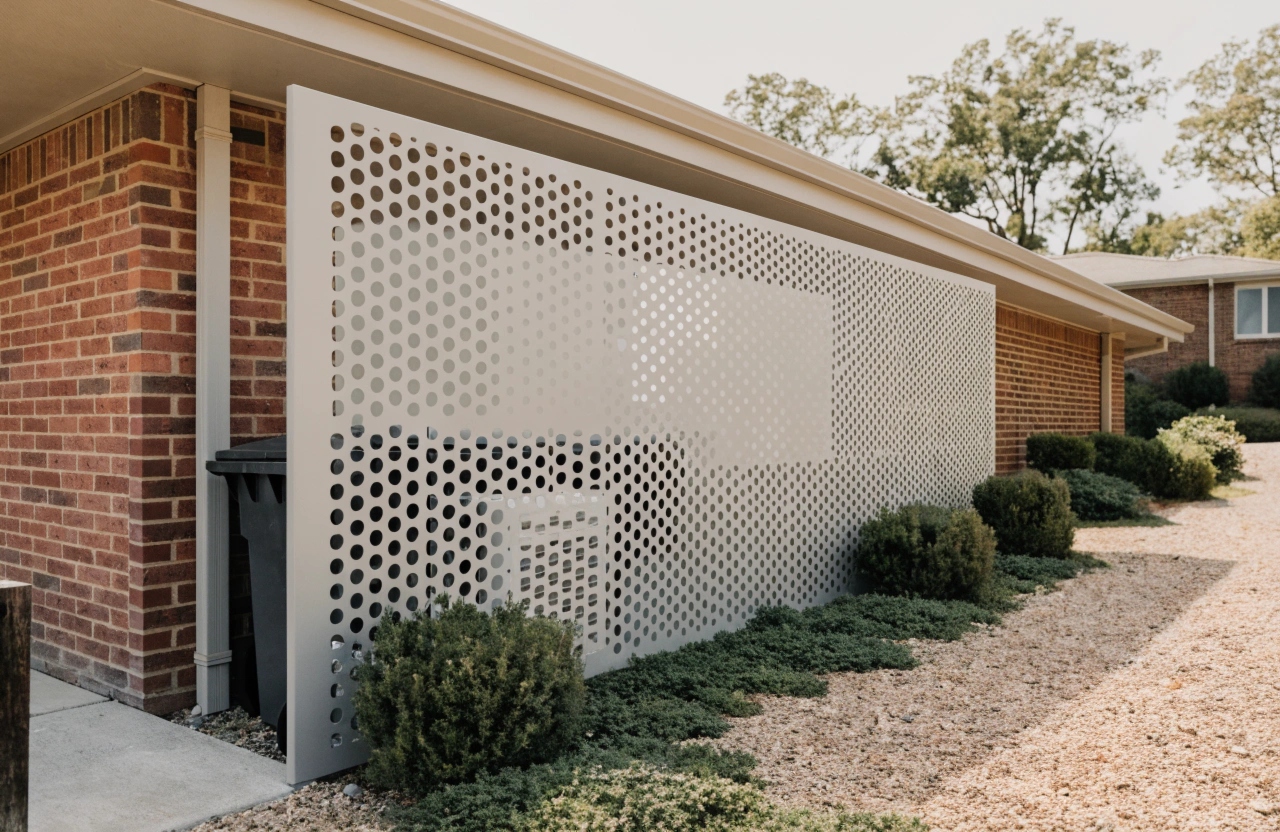
Service Area Screening Air conditioning units, bins, and utility spaces are rarely designed with appearance in mind. Screening these areas keeps them functional while removing them from view, tidying up the overall look of the property.

Material Options for Every Style
The material chosen for a privacy screen affects both its appearance and how it performs over time. Each option suits a different look and application.
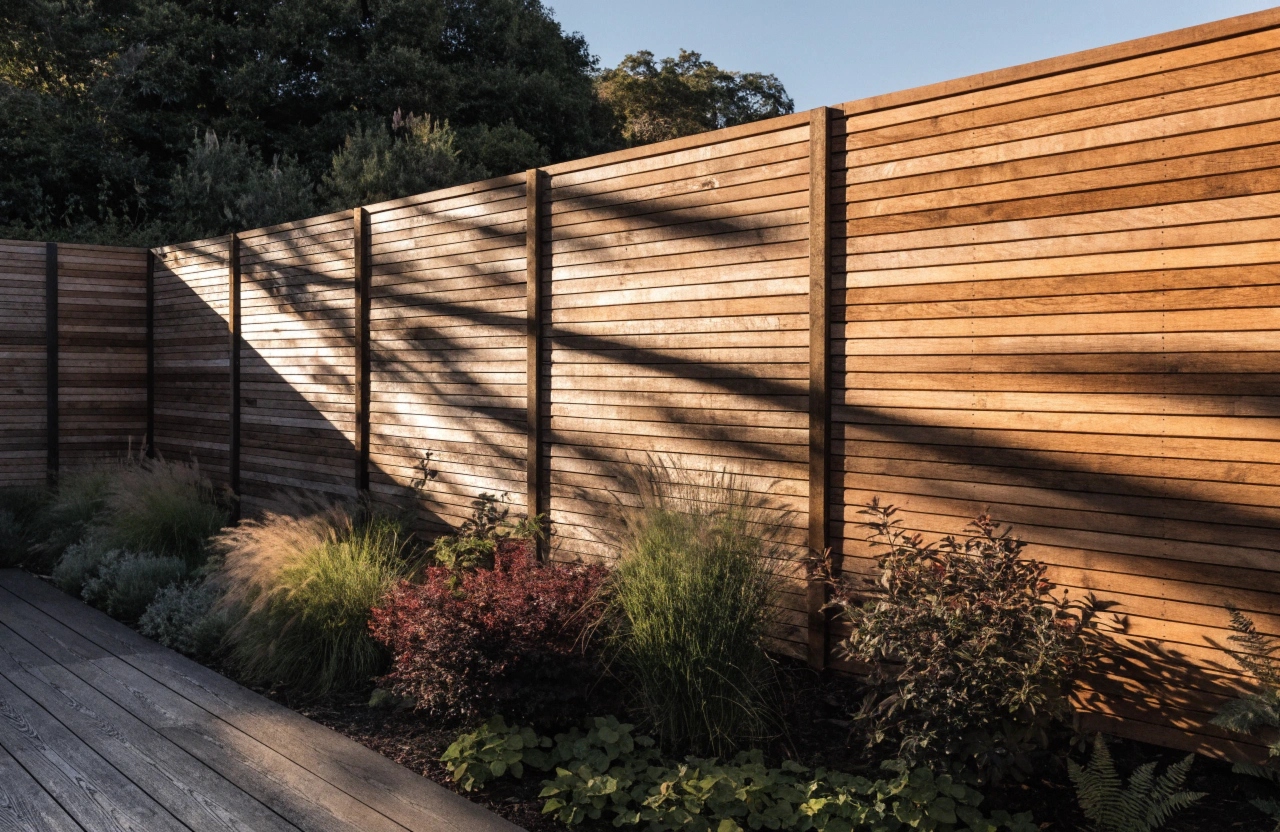
Timber Screening Timber offers a warm, natural finish that suits traditional and contemporary Adelaide homes alike. It works well as boundary screening, around entertaining areas, and in gardens where a softer material complements existing landscaping. Timber can be finished in a range of stains and tones to match the home’s exterior.
Aluminium Screening Aluminium panels are a low maintenance option with a clean, modern aesthetic. They’re available in a wide range of powdercoat colours and screen patterns, from simple slat designs to more decorative perforated finishes. Aluminium holds up well to Adelaide’s UV exposure and doesn’t require the ongoing maintenance timber does.
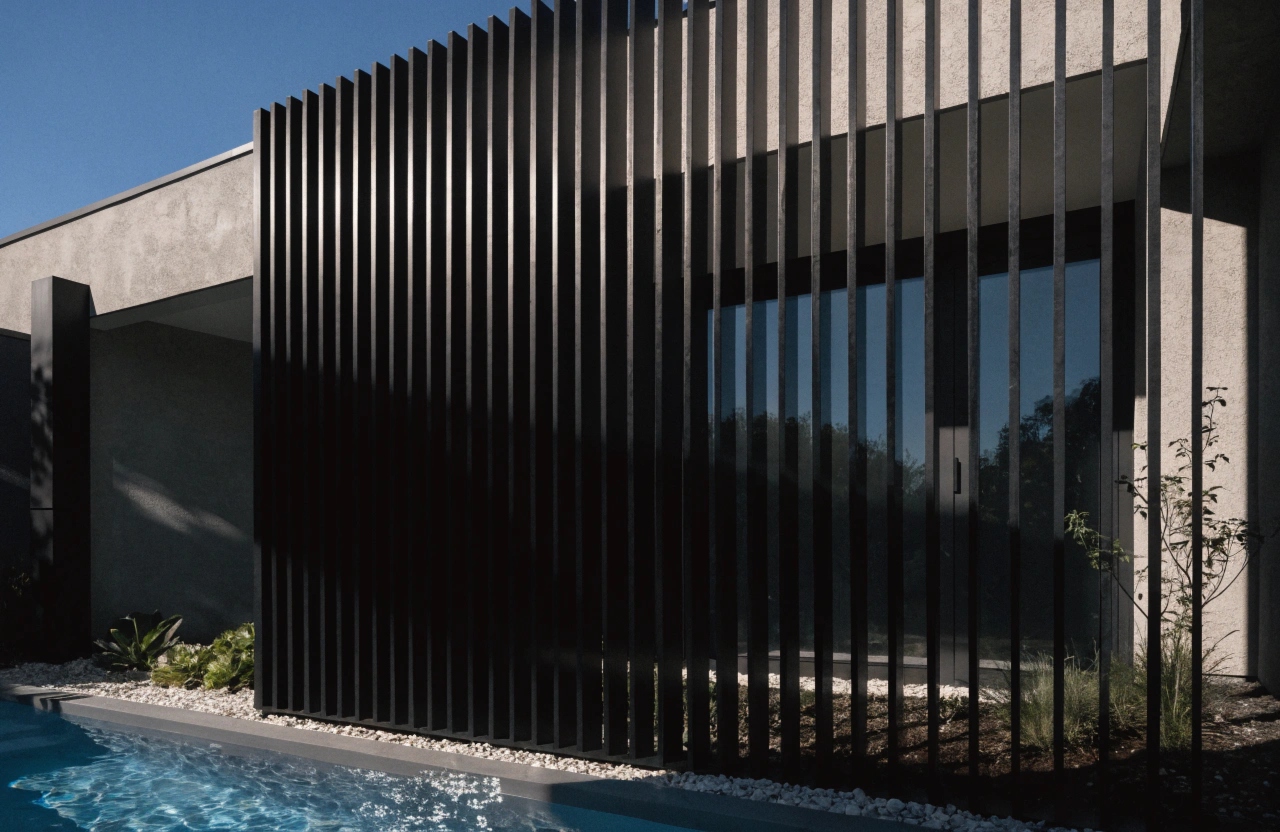
Steel Screening Steel delivers a more industrial or architectural finish, suited to homes with a contemporary design language or a stronger structural presence. It’s a solid option where durability and a bolder visual statement are the priority.
The table below gives a quick comparison:
| Material | Look | Maintenance | Best Suited To |
| Timber | Warm, natural | Periodic staining/sealing | Traditional and contemporary homes, gardens |
| Aluminium | Clean, modern | Low | Boundary and entertaining area screening |
| Steel | Industrial, architectural | Low | Contemporary and architectural homes |
Getting the Design Right
A privacy screen works best when it’s designed around the specific privacy problem it needs to solve, rather than installed as a standard-height panel along a fence line.
Height and Density The height and density of a screen should match the sightline it’s blocking. A single-storey overlooking issue calls for different coverage than a two-storey neighbouring window or an elevated deck. Getting this right from the start avoids either under-screening the problem or over-building where it isn’t needed.
Solid vs Decorative Panels Some applications call for fully solid screening, while others suit decorative perforated or slat-style panels that provide privacy while still allowing airflow and light filtration through. Slat and perforated designs work well around entertaining areas and pool zones, where a fully enclosed feel isn’t always the goal. Solid panels suit boundary lines and service area screening, where full coverage matters more than light flow.
Complementing the Home A screen should read as part of the property, not sit apart from it. Matching or complementing the existing fencing, landscaping, and home exterior — in material, colour, and style — keeps the finished result looking considered rather than added on as an afterthought.
How Privacy Screens Are Fixed in Place
The fixing method for a privacy screen depends on the application, the material chosen, and the load requirements of the screen height involved.
Mounting to Existing Fences or Walls Where an existing fence or wall is structurally sound, screens can be mounted directly to it. This is a straightforward option for adding height or density to a boundary that’s already in good condition, and it keeps installation time and disruption to a minimum.
Independent Post Systems Where there’s no suitable existing structure to fix to, or where the screen needs to stand as its own feature — around a pool area or entertaining space, for example — an independent post system is installed. Posts are set to suit the height and wind load of the panel material chosen, giving the screen its own stable footing separate from any existing fence line.
Matching the Fixing to the Job Taller and heavier screens, particularly in steel or dense timber, need a more robust fixing approach than a lightweight aluminium slat panel. The fixing method is selected to suit the specific screen, the site conditions, and how exposed the installation is to Adelaide’s weather, so the finished screen stays solid and secure over the long term.
Why Custom Privacy Screening Works for Adelaide Homes
The value of a privacy screen comes down to how much more usable an outdoor space becomes once it’s genuinely private. A pool area screened from view gets used differently to one that’s constantly overlooked. An alfresco space designed for entertaining feels like a retreat rather than a stage once elevated sightlines and neighbouring windows are addressed.
Custom screening also means the solution fits the actual problem rather than a generic panel height. A boundary line with a two-storey overlook needs different coverage to a service area hiding a bin store, and a privacy screen designed around the specific application delivers a better result than a one-size-fits-all approach.
The range of materials — timber, aluminium, and steel — means there’s a finish suited to almost any home style, from a warm timber screen alongside established garden beds to a clean aluminium slat panel on a contemporary build. Choosing between solid and decorative panels adds a further layer of flexibility, letting airflow and light filtration stay part of the design where full enclosure isn’t the goal.
Across Adelaide’s varied block sizes and housing styles, this combination of tailored design and material choice is what makes custom privacy screening a practical long-term addition rather than a quick fix.
Frequently Asked Questions
How tall can a privacy screen be?
Height depends on council requirements and the specific site, but screens are generally designed to match the sightline being blocked. Boundary and pool area screens tend to run taller than service area screening, where the panel only needs to cover a smaller, defined space.
Can a privacy screen be added to an existing fence?
Yes, where the existing fence is structurally sound, screening can be mounted directly to it to add height and density. This is often the simplest option for boundary screening and avoids the cost of a full fence replacement.
What's the difference between solid and slat-style screening?
Solid panels block sightlines completely and suit boundary lines or service areas. Slat and perforated panels provide privacy while still allowing airflow and light through, and work well around entertaining areas and pool zones where full enclosure isn’t the goal.
Does privacy screening around a pool replace pool fencing?
No, privacy screening works alongside required pool fencing rather than replacing it. The screen adds visual privacy while the pool fence continues to meet its own compliance requirements.
Which material needs the least maintenance?
Aluminium is the lowest maintenance option, holding up well to Adelaide’s UV exposure without ongoing treatment. Timber offers a warmer look but benefits from periodic staining or sealing, while steel is also low maintenance with a more industrial finish.
Can privacy screens be used to hide bins or air conditioning units?
Yes, service area screening is a common application, keeping utility spaces functional while removing them from view. These screens are typically smaller and more solid, focused on coverage rather than airflow.
Get a Free Measure and Quote
If overlooking neighbours, exposed pool areas, or unsightly service spaces are limiting how an outdoor area gets used, a custom privacy screen offers a practical, design-led fix. Every project starts with a free on-site measure and design consultation, where the specific privacy problem, sightlines involved, and material options are talked through before any work begins.
We supply and install privacy screens across Adelaide suburbs, working with timber, aluminium, and steel to suit any home style and budget. Whether the goal is boundary screening, an enclosed pool area, a private entertaining space, or simply tidying up the view of a bin store or air conditioning unit, the design is built around the property rather than fitted from a standard template.
From the eastern suburbs and Hills fringe through to the coastal strip and northern growth corridors, we bring local knowledge of Adelaide’s block sizes, fencing styles, and privacy challenges into every design and installation.
Get in touch today for a free measure and quote, and find out what a privacy screen designed specifically around your property and its surroundings could look like.
