
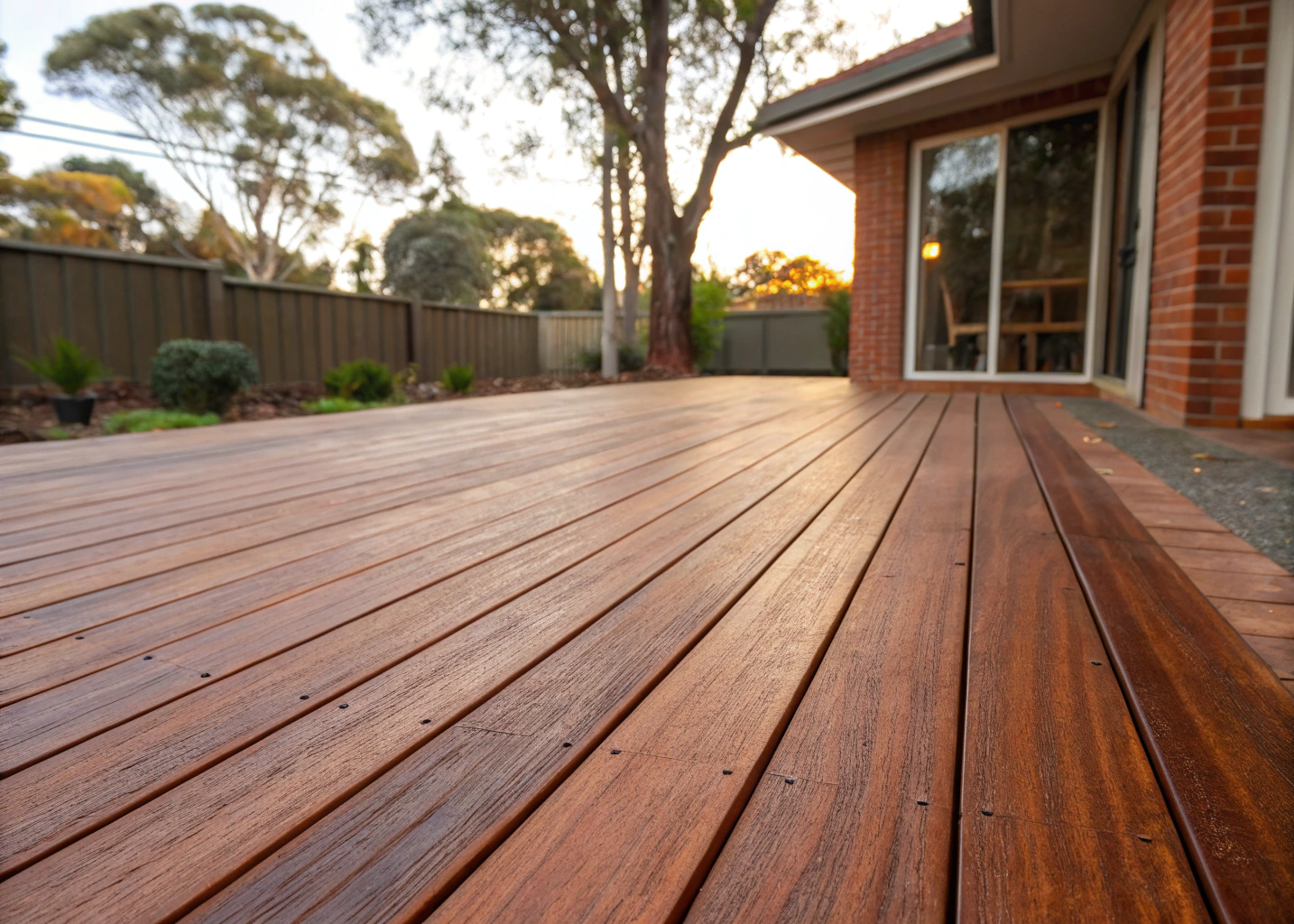
How Do You Match New Decking to Old Decking?
Matching new decking to an existing deck involves more than colour — it means aligning the timber species, board profile, fixing method, and surface finish across both old and new sections.
For timber decks, we start by identifying the existing species — commonly merbau, spotted gum, or treated pine in Adelaide homes — and source new boards from the same species and profile. Because weathered boards have aged to a different tone, a full surface restoration across both old and new decking is typically needed to get a uniform finish.
For composite decking, matching depends on whether the existing board profile and colour range is still in production. Where a direct match isn’t available, a full re-deck of the existing surface alongside the extension is often the better outcome.

When Your Deck Has Outgrown the Way You Live
The deck hasn’t changed — but the life around it has. That’s usually how it starts.
Maybe the family has grown. Maybe you’re entertaining more than you used to. Maybe you’ve finally got the outdoor setup you always wanted — the BBQ, the furniture, the shade — and now the deck itself is the thing holding it all back. Adelaide summers demand a lot from an outdoor space, and a deck that made sense five years ago can feel half the size it needs to be once you’re actually using the backyard the way you planned.
An extension is the logical next step. You’re not starting from scratch — you’re building on something that’s already working, adding the space that should have been there from the beginning. Done right, it gives you a deck that finally matches how you actually live.
The Matching Challenge: Why Getting This Right Takes More Than a Colour Swatch
The visual join between old and new is where a deck extension either succeeds or falls short.
Structural Assessment: What Has to Happen Before a Single Board Goes Down
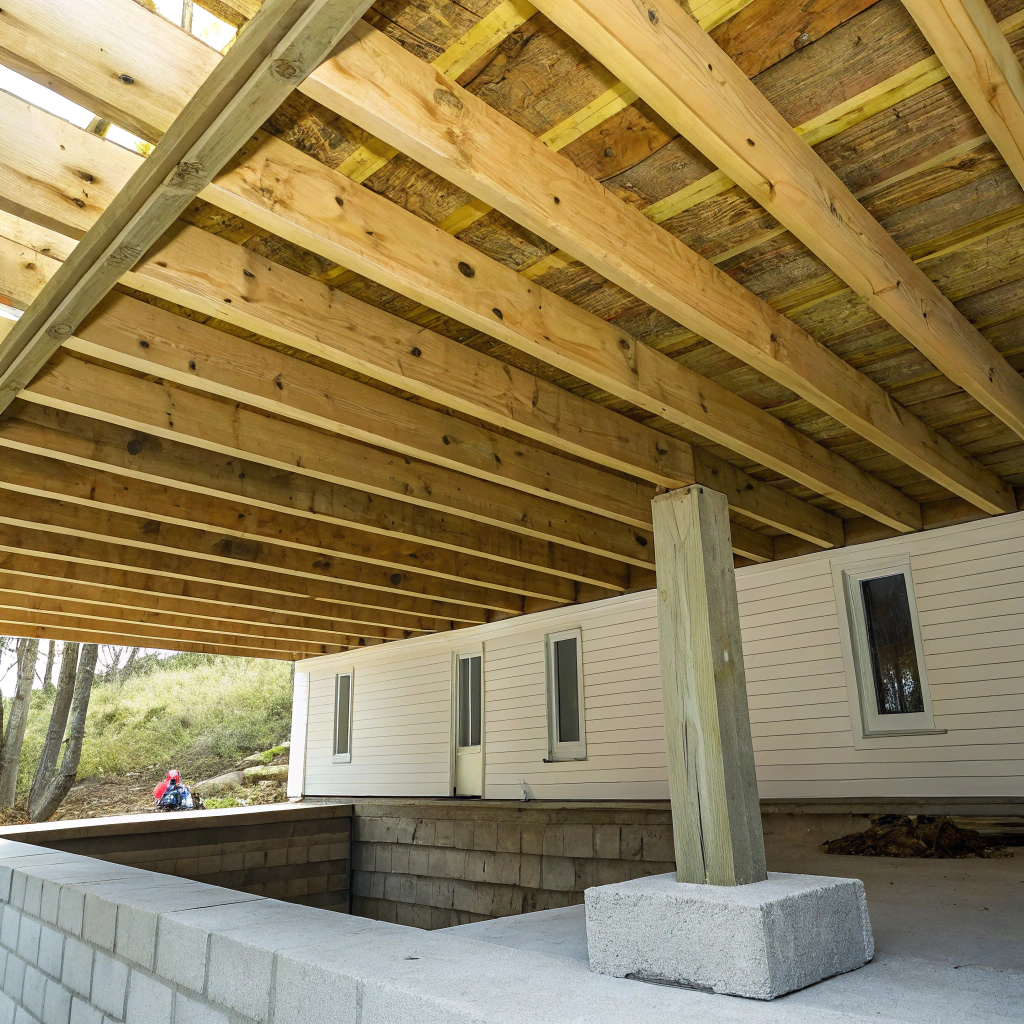
Before any extension work begins, we need to confirm the existing structure is sound enough to build from.
Inspecting the Existing Subframe: We check the full subframe — bearers, joists, connections, and fixings — before we do anything else. What we’re looking for is rot, movement, undersized framing, and anything that doesn’t meet current building standards. If the subframe has issues, we sort them out before the extension goes in. Building a new section off a compromised frame is the kind of shortcut that causes problems down the track.
Footing Requirements for the Extended Area: The extended deck area needs its own footings to carry the new load. That means new posts set into concrete footings installed at the right depth for your soil conditions. Adelaide’s clay-heavy soils can move with moisture changes across seasons, so footing depth and placement aren’t something we cut corners on. Getting this right from the start is what keeps the finished deck level and stable for years to come.
How the Extension Ties Into Your Existing Subframe
Once the existing subframe is confirmed as sound, we bring the new framing in to meet it.
New bearer and joist framing is installed to run continuously from the existing structure out to the new footings. The join between old and new framing is the most critical point in the whole build — it’s where the two sections become one, and where any weakness will show itself over time. We make sure the connection is properly bolted, aligned, and built to carry the load of the extended deck above it.
The goal is structural continuity. The finished subframe should perform as a single system, not two separate frames sitting next to each other. That’s what gives the deck above it — boards, balustrades, built-ins and all — a solid, consistent base that moves as one and stays that way.
Timber or Composite: Choosing the Right Material for Your Extension
The material decision for your extension is largely driven by what’s already on your deck and what Adelaide’s conditions demand.
If you have an existing timber deck and a direct species match is available, timber is the natural choice. It keeps the matching process clean and gives you a consistent surface across the whole deck once restoration is done. Timber does require periodic maintenance — oiling and cleaning to keep it performing through the UV intensity and heat load of a South Australian summer.
Composite suits two situations: where timber matching isn’t achievable because the existing boards are too weathered or the species is no longer available, or where you want a lower-maintenance surface going forward. In those cases, a full re-deck in composite alongside the extension gives you a fresh, consistent surface without the ongoing upkeep.
Neither material is the wrong answer — the right one depends on your existing deck, your maintenance appetite, and what outcome you’re actually after.
When a Full Re-Deck Makes More Sense Than an Extension Alone
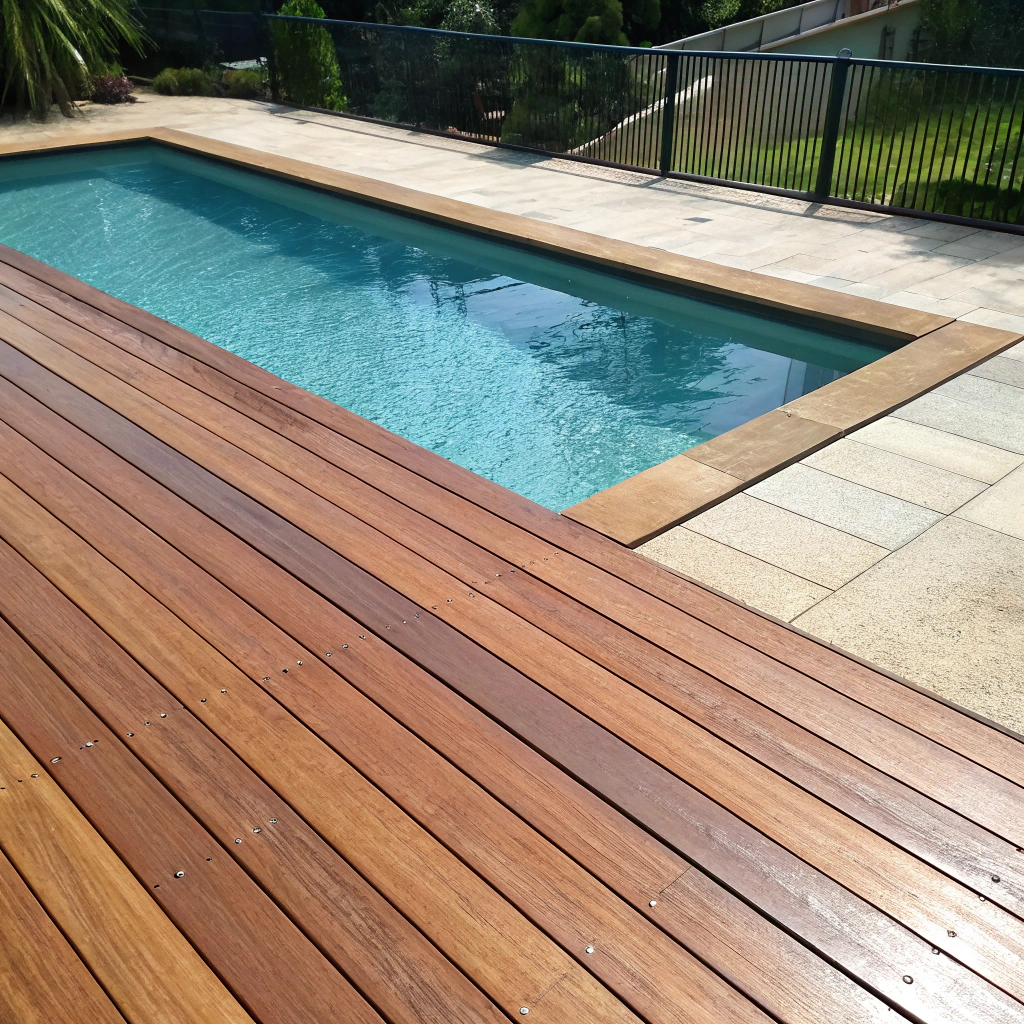
Sometimes the honest answer is that extending the deck surface isn’t enough on its own.
If the existing deck boards are heavily weathered, cracked, or beyond the point where restoration can bring them back to a consistent finish, adding new boards alongside them won’t give you the result you’re after. The same applies if the subframe inspection turns up framing that doesn’t meet current standards — in that case, rectifying the structure while the deck surface is already off is the practical move.
In both situations, a full re-deck of the existing surface alongside the extension delivers a better outcome than trying to patch two surfaces together. You end up with a deck that’s structurally sound, visually consistent, and built to current standards across the whole area — not just the new section.
We’ll tell you this at the assessment stage if it applies to your job. It’s not a reason to spend more — it’s a reason to get a result worth keeping.
Deck Extensions Across Adelaide: Where We Work and What We See
We build deck extensions across Adelaide and the job varies depending on where we are.
In the eastern suburbs — Campbelltown, Norwood, Burnside — it’s mostly established homes with existing timber decks that have done years of service. The matching challenge is real in these areas, and subframes often need attention before we can build.
In the northern growth corridors — Angle Vale, Munno Para, Blakeview — we’re regularly working on new builds where the builder left a concrete slab and called it an alfresco. Getting footings right in Adelaide’s clay-heavy soils is a consistent consideration on every one of those jobs.
In the southern suburbs — Morphett Vale, Reynella, Hallett Cove — it’s usually an upgrade job on an older structure that’s had its time.
Adelaide’s UV intensity, summer heat load, and reactive soils factor into every build we do here.
Frequently Asked Questions
How long does a deck extension take to build?
Most deck extensions take between three and seven days depending on the size of the job, the condition of the existing subframe, and the materials involved. We’ll give you a clear timeline before we start.
Do I need council approval for a deck extension in Adelaide?
It depends on the size and height of the structure. Some extensions fall under SA’s complying development rules and don’t need a full application. We can advise you on this at the assessment stage so you’re not left guessing.
Can you match my existing timber decking exactly?
In most cases, yes — provided the species and board profile are still available. We identify your existing species, source matching boards, and restore the full surface so old and new finish consistently. Where an exact match isn’t possible, we’ll tell you that upfront.
What if my existing subframe has problems?
We sort that out before the extension goes in. Building off a compromised frame causes problems down the track, so if we find issues during the inspection we’ll include the rectification work in the scope before anything else proceeds.
How do you handle the join between old and new framing?
The join is bolted, aligned, and built to carry the full load of the deck above it. We treat the finished subframe as a single continuous structure — not two separate frames sitting next to each other.
Is composite decking a good option for an extension in Adelaide?
It works well in two situations — where a timber match isn’t achievable, or where you want a lower-maintenance surface going forward. Adelaide’s UV intensity and heat load are worth factoring into that decision, and we’ll walk you through the trade-offs at your assessment.
What happens if my existing deck boards are too weathered to match?
If the existing surface is beyond the point where restoration can bring it back to a consistent finish, we’ll recommend a full re-deck alongside the extension. It’s the better outcome and we’ll be straight with you about it at the assessment stage.
Can you add built-in seating or planter boxes as part of the extension?
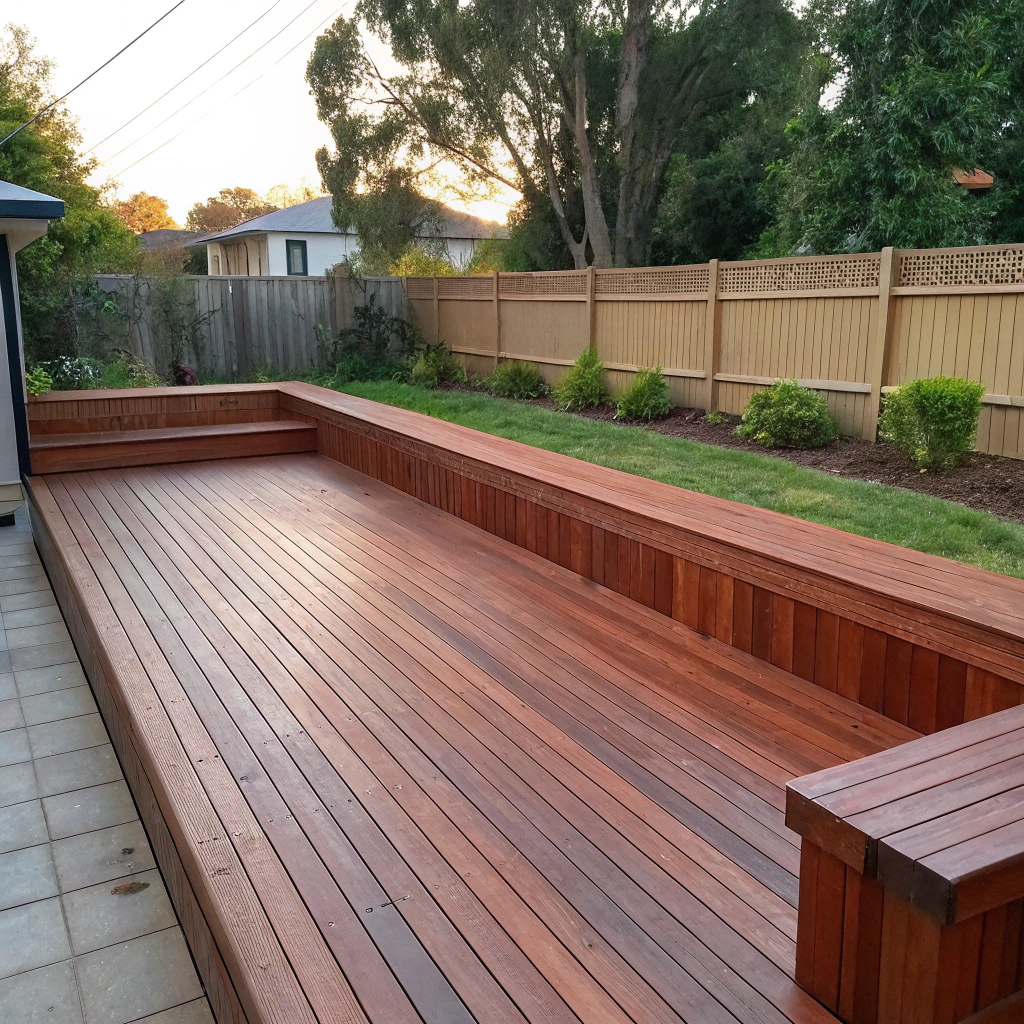
Yes. An extension is a good opportunity to incorporate built-in features that make the deck more functional. We can include bench seating along new edges or planter boxes integrated into the perimeter as part of the build scope.
How do Adelaide's soil conditions affect a deck extension?
Adelaide’s clay-heavy soils move with moisture changes across seasons. That affects how deep we set the new footings and where we position the posts. We factor this into every job — it’s what keeps the finished deck level and stable over time.
Ready to Extend Your Deck? Get a Free Site Assessment.
If your deck has outgrown the way you live, we’re ready to help you fix that. We’ll come out, assess the existing structure, talk through the matching options, and give you a clear quote with no pressure and no guesswork.
Pergolas Adelaide Experts work across Adelaide — eastern suburbs, northern corridors, southern suburbs, and everywhere in between.
Call us today: 08 8246 5424
Or fill out the form below and we’ll be in touch to book your free site assessment
